
Official Stance of Southwest Airlines on Electronic Cigarettes
Southwest Airlines strictly prohibits the use of electronic cigarettes, vapes, or any similar smoking devices onboard their aircraft. This policy includes all forms of e-cigarettes, regardless of their type or brand. Passengers are not allowed to use, charge, or smoke e-cigarettes during any phase of the flight, including boarding, taxi, takeoff, cruising, and landing. This rule extends to all cabin classes and every Southwest route, domestic and international. Such regulation aligns with the airline’s commitment to maintaining a smoke-free environment for health and safety reasons.
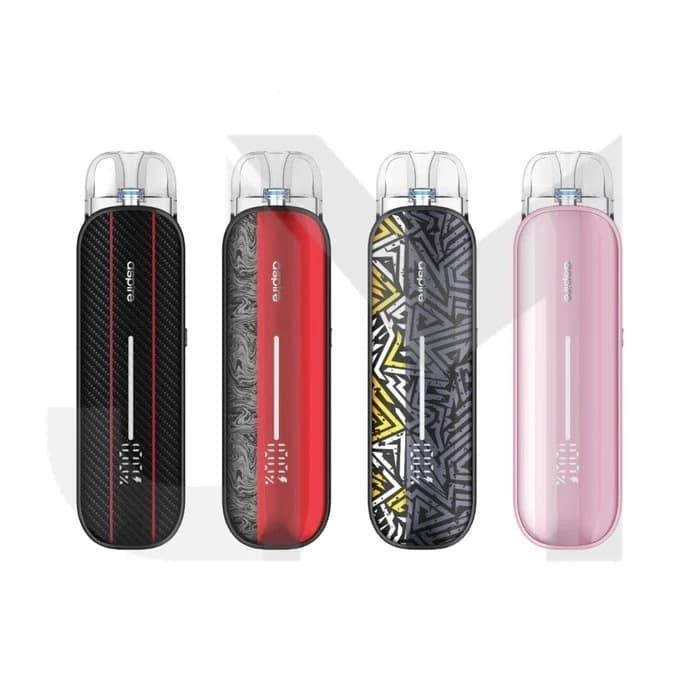
Carrying E-Cigarettes in Your Luggage
While you can’t use e-cigarettes on Southwest flights, you are allowed to carry them with you. According to current TSA and airline guidelines, electronic cigarettes and rechargeable vaping devices must be placed in your carry-on baggage, not checked luggage. This is crucial because lithium batteries inside these devices pose a risk of fire if stowed in the cargo hold. Passengers are advised to ensure that their vaping devices are switched off and safely packed. If you bring spare batteries, they should also be in your carry-on and preferably kept in their original packaging or protected from contact with metal objects.
E-Liquids and Cartridges: Packing Guidelines
- E-liquids for e-cigarettes are subject to standard liquid restrictions set by TSA. This means each container should not exceed 3.4 ounces (or 100ml), and all containers must fit within a single quart-sized, clear plastic bag.
- Individual vape cartridges or pods should also follow these rules if they contain liquid. The TSA security screening may ask to inspect your vaping items, so ensure easy access and compliance.
Charging and Safety Precautions
Charging e-cigarettes during a flight is strictly forbidden. For flights with Southwest Airlines, you are not allowed to plug in or charge your vaping devices at any point during the flight. Make sure your devices are fully charged before flying, and never attempt to use seat power outlets for charging. Lithium battery safety is one of Southwest’s priorities, as improper handling or charging could lead to hazards such as overheating or fire.
Can You Vape in the Terminal or Airport Gate?
Most U.S. airports, including those serviced by Southwest Airlines, restrict vaping and smoking within terminal buildings. While some airports may have designated smoking areas, always check specific airport regulations before vaping in terminal areas or near gates. Failure to comply with local policies could result in fines or further action.

The Importance of Compliance with Southwest Airlines Electronic Cigarette Policy
Non-compliance with the electronic cigarette policy can have serious consequences. Passengers found using or charging e-cigarettes onboard may face penalties that include fines, removal from the flight, or being banned from future travel with Southwest Airlines. The airline’s crew are trained to enforce these policies strictly for the safety of all passengers.
Other Smoking Devices and Considerations
Besides e-cigarettes, all other smoking devices, such as heated tobacco products, pipes, cigars, and conventional cigarettes, are equally prohibited for use onboard Southwest flights. If you’re unsure about a particular device, consult with airline staff before your flight or visit Southwest’s online support for clarification.

Tips for Travelers: Flying with Vapes Responsibly
- Store your devices securely in your carry-on, away from accidental activation.
- Place e-liquids in the designated liquids bag for easy TSA inspection.
- Turn off or remove batteries during transit if possible.
- Never attempt to stealth vape or charge the device onboard.
- Check policies of any connecting airports you may travel through.
How Southwest’s Policy Compares to Other Airlines
The Southwest Airlines electronic cigarette policy is consistent with most major U.S. airlines. Across the industry, vaping devices are generally restricted in checked baggage and forbidden for use during flights. While some international airlines offer designated vaping lounges at select airports, usage is universally banned onboard commercial aircraft. Southwest’s clear stance helps avoid confusion and keeps travelers informed.
Frequently Asked Questions
- Can I use my e-cigarette at any point during a Southwest flight?
- No, Southwest Airlines prohibits all usage of e-cigarettes during flights, including charging or smoking.
- What happens if I accidentally pack my vape in checked luggage?
- Lithium battery devices found in checked baggage may be confiscated or cause delays. Always pack them in your carry-on.
- Does Southwest allow disposable vapes?
- Disposable vapes, like other electronic cigarettes, must be carried in your hand luggage and cannot be used or charged onboard.
By following the guidelines for electronic cigarette travel with Southwest Airlines, you ensure a smoother airport experience and help maintain airline safety standards for all travelers. For updates or more information, visit Southwest’s official policy web page and always check with TSA before your trip.