Understanding the evolving picture of e cigarette danger
Public concern about vaping has grown as researchers, clinicians, and regulators examine whether vaping products simply shift tobacco-related harms or introduce new and distinct risks. The phrase e cigarette danger has circulated widely in media and public health messaging, but unpacking what that term means requires careful attention to chemistry, inhalation biology, population evidence, and study design. This article synthesizes current scientific insights, highlights plausible biological mechanisms, and addresses the specific public question: “can electronic cigarettes cause lung cancer?” We explore short-, mid- and long-term findings, weigh the strength of available evidence, and identify key gaps that future research must fill.
What people mean when they say “e cigarette danger”

When consumers or clinicians mention e cigarette danger, they may be referring to several categories of harm: acute respiratory injury (including vaping-associated lung injury events), chronic respiratory disease potential, cardiovascular effects, nicotine addiction and developmental harms, and carcinogenic potential. Distinct pathways underlie each category. For example, some harms are driven by nicotine’s pharmacology and addiction potential, whereas others derive from thermal degradation products, metals, or flavoring compounds in the aerosol. To navigate policy and personal decisions, it helps to separate immediate injury signals from long-term disease risks such as cancer.
Key components in e-cigarette aerosol that matter for risk
- Nicotine: Pharmacologically active, addictive, and associated with cardiovascular stress; nicotine itself is not classified as a direct pulmonary carcinogen but can influence cancer biology via proliferation and angiogenesis in laboratory models.
- Propylene glycol and vegetable glycerin: Solvents that carry flavors and nicotine; when heated they can form aldehydes such as formaldehyde and acrolein, which are known respiratory irritants and have carcinogenic potential in high exposures.
- Flavoring chemicals: Thousands of flavors exist; some compounds (e.g., diacetyl) are linked to bronchiolitis obliterans in occupational settings; others have unknown inhalation toxicity despite being safe for ingestion.
- Metals and particulates: Heating elements and device design can produce ultrafine particles and metal emissions (nickel, chromium, lead), which can deposit deep in the lung and are associated with inflammatory and potentially carcinogenic processes.
- Thermal degradation products: Reactive carbonyls and other byproducts can damage DNA and cellular structures in cell and animal studies.
How exposures compare to combustible cigarettes
Many studies show that modern e-cigarette aerosol contains fewer types and generally lower concentrations of many classic tobacco combustion toxicants compared with cigarette smoke. That difference underlies harm reduction arguments for adult smokers who fully switch to vaping. However, “fewer” or “lower” does not mean “no risk”—particularly because patterns of use (frequency, depth of inhalation), product variability, and long-term exposures differ. Moreover, some compounds are unique to vaping and not present in cigarette smoke, raising concerns about novel risk pathways. Public health assessments therefore balance relative risk reduction for smokers with absolute risks for never-smokers, including adolescents and pregnant people.
Evidence from human populations: what cohort and surveillance studies show
Population-level evidence on long-term cancer risk following exclusive e-cigarette use is limited because widespread vaping is a relatively recent phenomenon; cancer syndromes generally have decades-long latency. Observational cohort studies, cross-sectional surveys, and case series have provided early signals for respiratory symptoms, changes on imaging, and markers of inflammation, but associations with incident lung cancer remain unproven. Several cohort studies that adjust for smoking history try to isolate effects of vaping, with mixed and often underpowered results. Because many adult vapers are current or former smokers, residual confounding by tobacco smoke complicates causal inference about whether vaping independently increases lung cancer risk.
Preclinical and mechanistic studies
Laboratory research using cells and animal models offers biological plausibility for carcinogenic processes in response to e-cigarette aerosol. In vitro studies report DNA strand breaks, oxidative stress, and altered gene expression linked to oncogenic pathways after exposure to condensates from some e-liquids. Animal studies demonstrate inflammation, epithelial injury, and in some experimental models, promotion of tumorigenesis when e-cigarette aerosol is combined with other carcinogens. However, translating doses and exposure regimens from animals to humans is complex. Still, mechanistic data create a biological rationale supporting concern and justify careful epidemiological surveillance for cancer endpoints.
can electronic cigarettes cause lung cancer — what conclusions can we draw now?
Direct proof that can electronic cigarettes cause lung cancer in humans remains unavailable due to limited long-term data, latency of cancer development, and confounding by smoking. The evidence can be summarized as:
- Biological plausibility: yes — several aerosol constituents have carcinogenic potential or cause DNA damage and inflammation that can precede cancer.
- Direct human evidence: inconclusive — no large, long-duration prospective studies have yet shown a definitive causal link between exclusive e-cigarette use and lung cancer.
- Comparative risk: likely lower than continued cigarette smoking for many toxicants, but not necessarily risk-free; relative risk estimates remain uncertain and not uniform across devices, e-liquids, and patterns of use.
These points reflect an evidence gradient where mechanistic and short-term human data suggest potential danger, but absence of long-term epidemiologic proof leaves the specific carcinogenic risk unresolved. For clinicians and policymakers, a prudent approach recognizes plausible carcinogenic mechanisms while focusing on prevention of nicotine initiation, especially among youth, and supporting adult smokers who wish to quit with the most evidence-based tools.
Special populations and vulnerabilities
Several groups are particularly vulnerable to potential harms linked to vaping: adolescents, whose developing lungs and brains are more susceptible to nicotine addiction and developmental interference; pregnant people, where nicotine exposure affects fetal development; and individuals with pre-existing respiratory disease, who may be more sensitive to airway irritants. In these groups, the threshold for acceptable risk is lower, and messages emphasizing avoidance of non-therapeutic e-cigarette use are widely supported by public health authorities.
Device and product variability matter
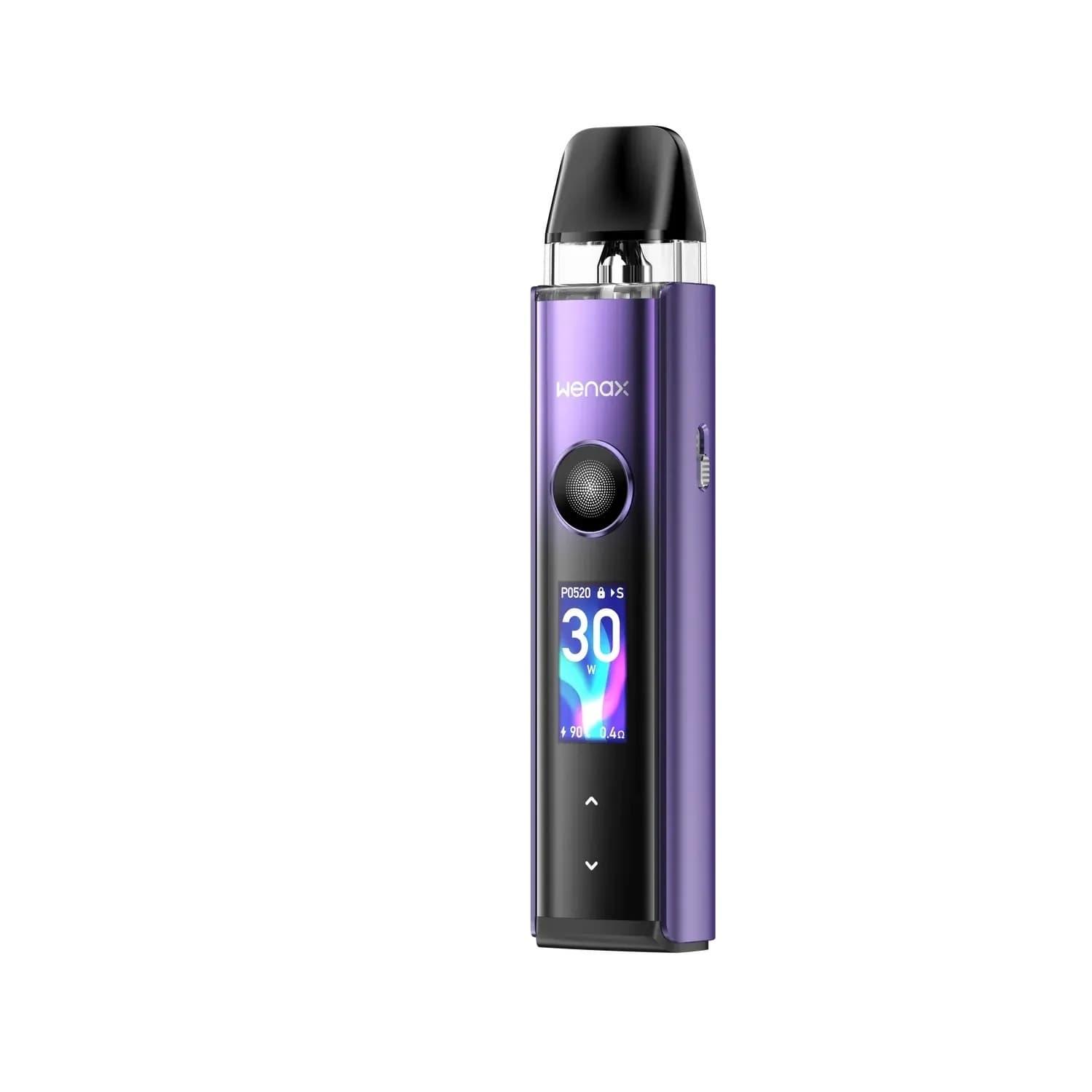
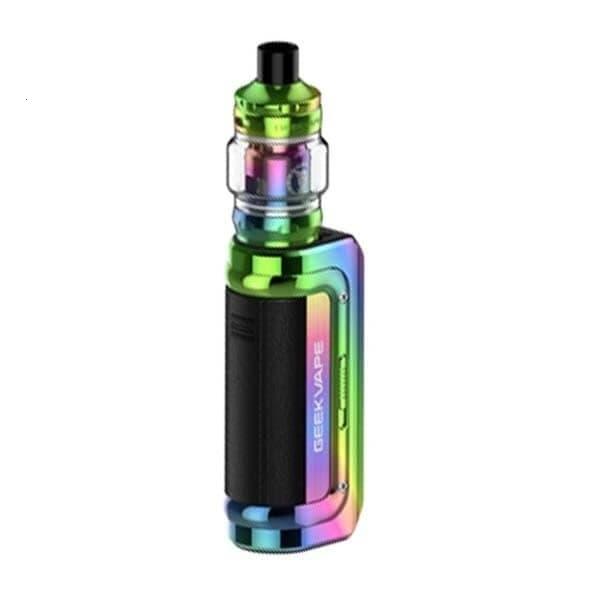
Not all vaping products are the same. Device power, coil composition, temperature control, e-liquid composition, and user behavior (e.g., “dripping”, sub-ohm vaping) all change the chemical profile of emitted aerosols. This heterogeneity complicates assessment of e cigarette danger and the specific question of carcinogenic potential. Some older or illicit products have produced acute toxicities and uniquely high emissions; regulation and quality control can reduce some risks but may not eliminate all harmful constituents.
Regulation that addresses product standards, emission limits, flavoring safety for inhalation, labeling, and youth access can reduce exposure to some hazardous compounds while maintaining options for smokers seeking lower-risk alternatives.
Biomarkers and surrogate endpoints
Because cancer incidence takes decades to manifest, researchers use biomarkers (DNA damage markers, mutational signatures, oxidative stress markers, inflammation markers, and cytological changes) and intermediate clinical endpoints (lung function decline, imaging changes) to assess potential long-term harm. Several studies report modest increases in biomarkers of oxidative stress and inflammation in vapers compared with non-users, though generally lower than in smokers. These findings support the hypothesis that vaping is not inert and that repeated exposures could accumulate damage over time.
How healthcare providers should interpret the evidence
Clinicians should communicate the nuanced risk profile: for smokers who cannot or will not quit using approved cessation methods, a complete switch to vaping may reduce exposure to certain combustion-related carcinogens, but risks remain and long-term safety is not established. For non-smokers, especially youth and pregnant people, initiating electronic nicotine delivery systems is discouraged because of the potential for addiction and uncertain long-term harms, including the unresolved question of whether vaping will increase lung cancer risk in some users over decades.
Public health recommendations and harm minimization
Policy responses typically aim to: 1) prevent youth uptake via marketing and flavor restrictions; 2) regulate product standards to limit emissions of known toxins; 3) support smoking cessation with evidence-based treatments; and 4) monitor population health closely for signals of long-term harms. Harm-minimization strategies recognize a spectrum of risk: while vaping may be a cessation aid for some adults, it is not harmless and should not be promoted as such.
Practical advice for individuals
- Never start vaping if you do not already use nicotine products.
- Smokers who want to quit should first try FDA-approved cessation tools and behavioral support; discuss vaping as a potential option only when other methods fail, and ideally within a framework of supervised cessation.
- Avoid unregulated or modified devices and illicit cartridges; these have been linked to severe lung injury outbreaks.
- If you vape, consider transitioning off nicotine entirely as soon as feasible to reduce long-term risks.
- Parents and caregivers should prioritize preventing youth access and discussing the uncertain long-term harms candidly.
Research gaps and the path forward
To answer definitively whether can electronic cigarettes cause lung cancer, researchers need long-term, well-designed prospective cohorts that capture exclusive vapers, dual users, former smokers, and never-smokers with rigorous exposure assessment and control for confounders. Standardized measures of device and e-liquid characteristics, improved biomarkers tied to carcinogenic pathways, and linkage to cancer registries will accelerate understanding. In parallel, continued preclinical work can refine which product components pose the greatest carcinogenic threat and inform regulation.
Conclusion
The label e cigarette danger captures a real concern but is not a single, well-defined hazard. Mechanistic and short-term human data suggest plausible carcinogenic pathways, and there is reason for caution, particularly for vulnerable populations. However, the direct answer to the public’s pressing question “can electronic cigarettes cause lung cancer?” remains unresolved in humans until longer-term epidemiological data are available. Policy and clinical recommendations emphasize prevention of uptake among non-users, support for adult smokers aiming to quit, and robust surveillance and regulation to limit harmful exposures.
FAQ
- Q: Are vaping emissions less carcinogenic than cigarette smoke?
- A: For many measured toxicants, e-cigarette emissions are lower than cigarette smoke, suggesting reduced exposure to some carcinogens. Nonetheless, lower does not equal zero risk, and unique vaping-related chemicals and metals warrant caution.
- Q: How long until we know whether vaping causes cancer?
- A: Definitive answers require decades of follow-up. High-quality prospective studies and cancer registry linkages begun now will be essential to detect any increase in cancer incidence attributable to vaping.
- Q: Should smokers switch to vaping to reduce cancer risk?
- A: Smokers should prioritize proven cessation treatments; if those fail, complete switching to a regulated vaping product may reduce exposure to combustion-derived carcinogens, but it is not risk-free and clinicians should guide any such transition.